
Earlier Diagnosis, Less Administration: HIMSS26 in Las Vegas Highlighted the Benefits of AI in Healthcare

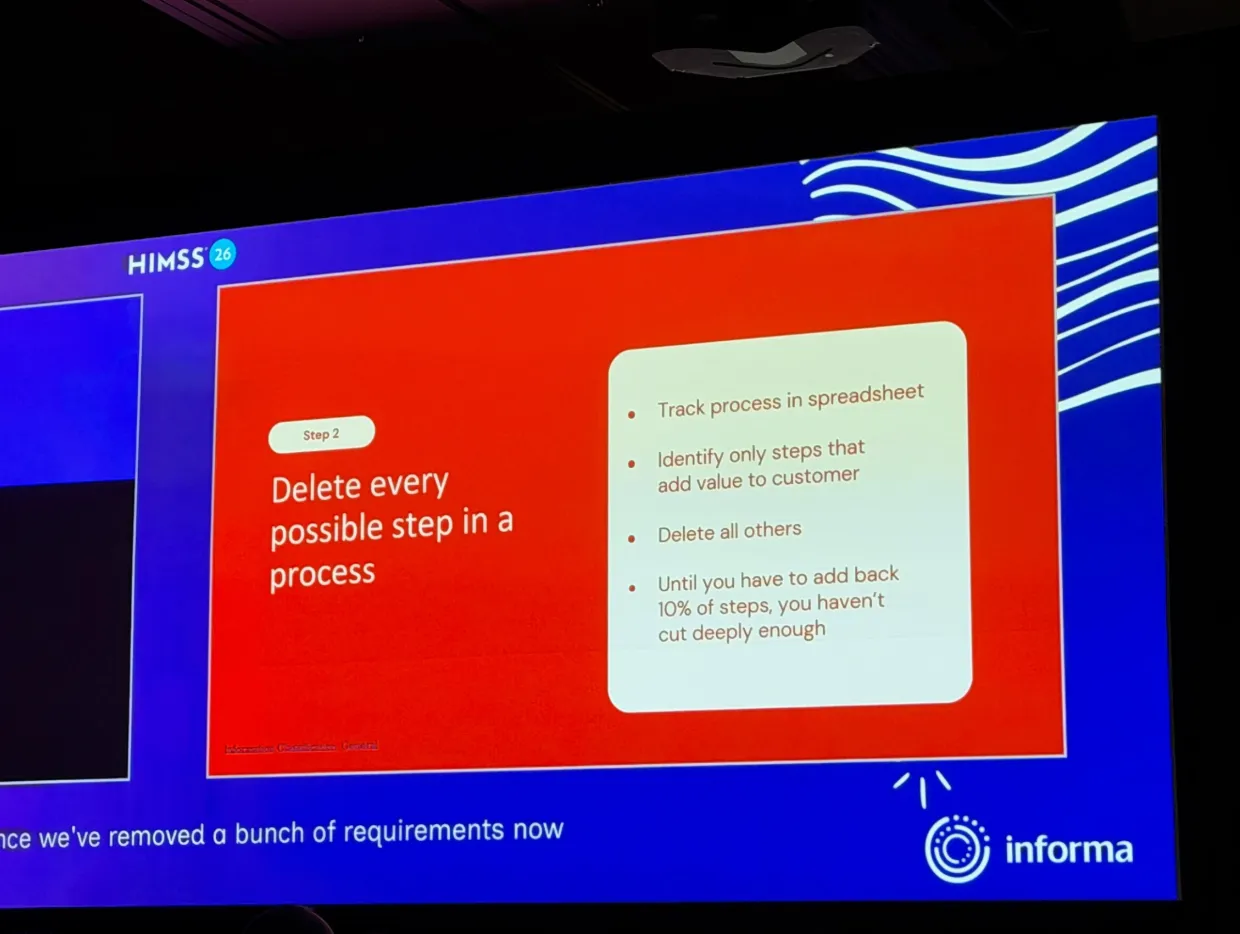
Our CEO, Martin Košťál, attended one of the world’s largest events focused on digital health this March – the HIMSS26 conference in Las Vegas. One of the key themes was the growing role of artificial intelligence in healthcare. However, the discussion was no longer about whether AI should be used in healthcare, but rather how to implement it as effectively as possible.
The HIMSS Global Health Conference & Exhibition brings together thousands of experts from around the world every year – from physicians and hospital managers to technology companies, startups, and healthcare policymakers. Together, they explore how modern technologies can improve healthcare delivery while simplifying the everyday work of healthcare professionals.
This year’s conference featured several prominent speakers. Dr. Stephen Klasko, former CEO of Thomas Jefferson University & Jefferson Health, spoke about how data, artificial intelligence, and personalized medicine will shape the future of healthcare. Elena Bonfiglioli from Microsoft discussed the role of cloud platforms and AI in modernizing healthcare systems, while Dr. Rowland Illing from Amazon Web Services presented practical examples of how AI can be applied in clinical practice.
So which ideas resonated most strongly at HIMSS26 in Las Vegas?
From experiments to real-world practice
While just a few years ago artificial intelligence was mainly discussed in the context of experimental projects, the conversation today is shifting toward real-world implementation in healthcare practice. Hospitals and healthcare organizations are already presenting concrete examples of how AI can support diagnostics, analyze medical data, and assist clinical decision-making.
Reducing administrative burden
Another frequently discussed topic at the conference was the administrative burden placed on physicians. Many healthcare professionals still spend a significant portion of their working hours on documentation, phone calls, and patient scheduling. As a result, increasing attention is being paid to solutions that can automate these processes.

This is also one of the reasons why we attended the conference. At Bonboneo, we develop a platform designed to take over much of the administrative workload while safely bringing the benefits of artificial intelligence to doctors and nurses, making their daily work easier. For example:
- The virtual nurse can handle patient phone calls and efficiently manage appointment flows without requiring manual intervention from staff.
- The bulk operations feature enables quick rescheduling and management of multiple patients within seconds – a task that would otherwise take dozens of minutes of administrative work.
- Thanks to AI and OCR technologies, the system can also automatically transcribe consultations and quickly scan and digitize documents.
Implementation remains the biggest challenge
Discussions at HIMSS26 also highlighted that the biggest challenge today is not the development of new technologies, but their integration into existing workflows and everyday healthcare practice. That is why many sessions focused on topics such as data infrastructure and changes in clinical workflows.
What may initially seem complex can actually be relatively simple in practice. Implementing the Bonboneo platform in a medical practice takes no more than 48 hours, can be done entirely online, and typically requires only about a one-hour training call.
Technology as a partner, not a threat
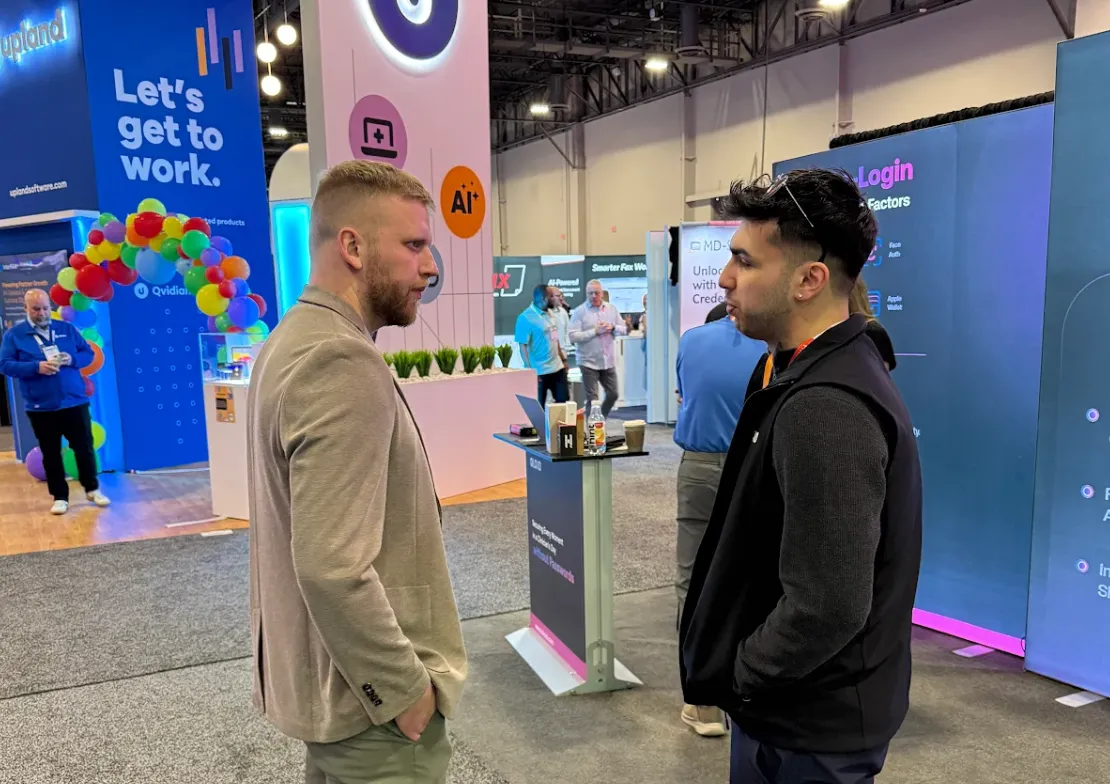
What does the future of healthcare look like in the coming decades? According to many speakers, modern technologies will increasingly help identify health risks even before the first symptoms appear.
Personalized medicine, virtual care, and intelligent analytical tools may significantly transform how we approach disease prevention and treatment. Still, the general consensus is that technology will not replace healthcare professionals, but rather support them.

The goal of digital transformation in healthcare is to create an environment where technology takes over routine and administrative tasks, allowing doctors to focus on what matters most – caring for patients. And that is exactly what we aim to achieve at Bonboneo.